
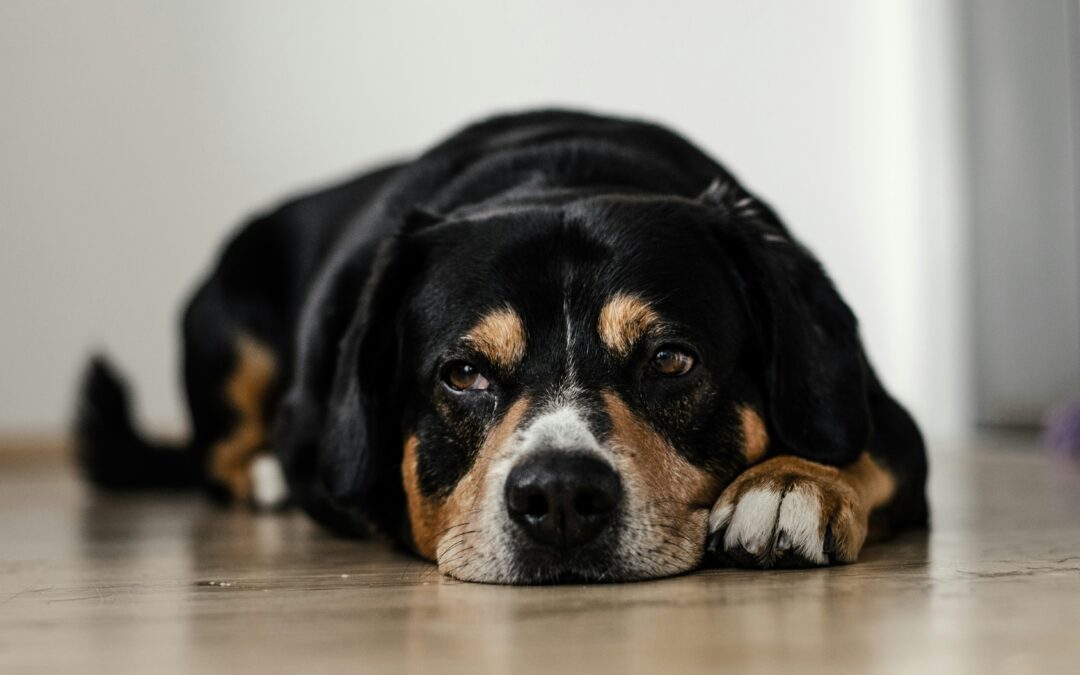
When people think about pain in dogs, they usually picture something obvious—limping, crying, or a yelp when touched.
But in real life, that’s often not what pain looks like.
Dogs are extremely good at hiding discomfort. In the wild, showing pain makes you a target. Even though your dog sleeps on the couch and eats better than most people, that instinct hasn’t gone away. As a result, many dogs live with chronic pain for months—or even years—before it’s recognized.
Here are some of the most common hidden signs of pain in dogs, and why they matter.
1. Subtle Changes in Movement (Not Limping)
One of the biggest misconceptions I hear is:
“He’s not limping, so I don’t think he’s in pain.”
Pain doesn’t always show up as a limp.
Instead, you might notice:
- Hesitating before jumping onto furniture
- Taking stairs more slowly—or avoiding them entirely
- Stiffness when getting up after resting
- Shorter walks, or turning around sooner than usual
These changes often happen gradually, which makes them easy to miss. Owners adjust their expectations without realizing it—until they look back and realize their dog used to move very differently.
2. Behavioral Changes That Get Labeled as “Attitude”
Pain changes behavior.
Dogs in discomfort are often described as:
- “Grumpy”
- “Stubborn”
- “Lazy”
- “Not himself anymore”
In reality, pain lowers tolerance. Dogs may:
- Growl when handled in ways they previously accepted
- Avoid being touched in certain areas
- Seem withdrawn or less social
- Become unusually clingy
This is especially common with chronic orthopedic pain or arthritis, where the discomfort is constant but not dramatic.
3. Changes in Play Style or Interest
A dog who’s in pain doesn’t usually stop playing altogether.
Instead, play changes:
- Shorter bursts of activity
- Less enthusiasm for fetch or tug
- Choosing to watch instead of participate
- Lying down sooner than before
Owners often chalk this up to “just getting older,” but age itself isn’t painful—conditions associated with aging are.
4. Licking, Chewing, or Fixating on One Area
Dogs will often draw attention to painful areas without vocalizing.
Watch for:
- Repeated licking of joints or paws
- Chewing at hips or knees
- Over-grooming one spot
Even if you don’t see swelling or redness, persistent attention to a specific area is a red flag that something hurts.
5. Changes in Sleep and Resting Positions
Pain affects rest.
Dogs dealing with discomfort may:
- Struggle to get comfortable
- Change sleeping locations frequently
- Avoid positions they used to prefer
- Sleep more—or sometimes less
Owners often notice this as restlessness at night or frequent repositioning during the day.
Why These Signs Matter
Chronic pain doesn’t just affect comfort—it affects:
- Mobility
- Muscle mass
- Weight
- Mood
- Long-term joint health
The earlier pain is identified, the more options we have to manage it effectively—often with less aggressive treatment than if we wait until symptoms are severe.
What to Do If You’re Noticing These Signs
You don’t need to be certain your dog is in pain to bring it up.
In fact, most pain conversations in veterinary medicine start with something like:
“This might be nothing, but I’ve noticed…”
That’s exactly the right time to talk about it.
A physical exam is one of the most powerful diagnostic tools we have. It allows us to assess:
- Joint range of motion
- Muscle symmetry
- Subtle discomfort responses
- Early arthritic changes
From there, we can talk about options—whether that’s lifestyle adjustments, supplements, medications, physical therapy, or a combination of approaches.
The Takeaway
Pain in dogs is often quiet.
If you wait for obvious signs, you’re probably waiting too long.
If your dog is moving differently, acting differently, or aging “faster” than you expected, it’s worth having the conversation. Catching pain early can dramatically improve quality of life—and in many cases, slow progression of the underlying condition.
And in your dog’s case, that subtle change you’re noticing?
That might be the difference between managing pain early and dealing with a crisis later.